The Soul of Haitian Rice and Beans
A Culinary Tradition Infused with History and Heart
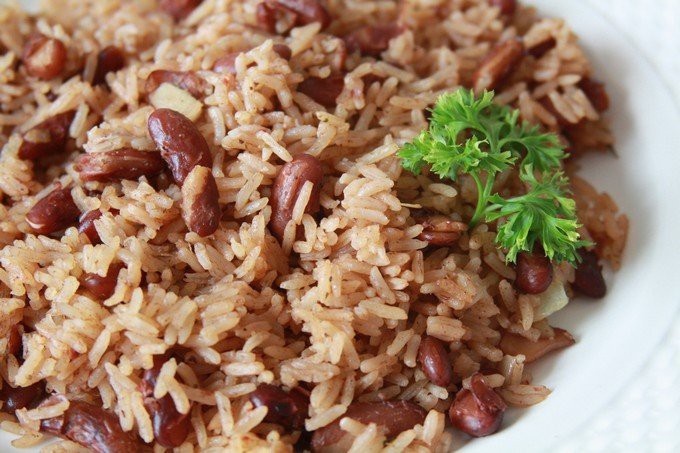
At the very center of every Haitian meal lies a humble, yet deeply soulful pairing: rice and beans. Though simple in appearance, this dish holds centuries of wisdom, comfort, and culture within each spoonful. Its secret, whispered from one kitchen to the next, resides in the base—a foundation of flavor meticulously built through patience, artistry, and love.
More Than Mere Sustenance
Rice and beans in Haiti are not just nourishment; they are an emblem of tradition, a vessel of memory, and a tapestry woven with the threads of family and heritage. Whether shared at vibrant Sunday gatherings or tucked into a quiet weekday supper, diri ak pwa (as it is known locally) is a constant—bearing the imprint of the island’s resilience and its inventive culinary spirit.
Tracing the Roots: A Dish Steeped in History
The story of Haitian rice and beans stretches back centuries, shaped by the hands of many cultures:
- African Inheritance: Beans and rice arrived in Haiti with enslaved Africans, carried across oceans as both staple foods and techniques for seasoning and layering flavors. These traditions became the backbone of Haitian cuisine.
- Colonial Imprint: Under colonial rule, rice cultivation flourished, transforming the grain into a central component of daily life.
- Cultural Evolution: Over generations, Haitians crafted their own signature style—boldly seasoned, rich in aroma, and fiercely anchored in custom and community.
With each bite, the dish tells a story of survival, adaptation, and pride.
The Heart of the Matter: Building the Perfect Base
Ask any seasoned Haitian cook for the secret, and the answer is unanimous: the flavor is built from the ground up. Beans and rice are not simply tossed together; they are united through a process that honors tradition in every step.
Step 1: Simmering the Beans
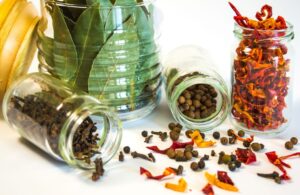
Begin with red kidney beans or black beans, letting them simmer gently in water infused with bay leaf, fresh thyme, and a splash of oil. The intention is not merely to soften the beans, but to coax from them a savory broth teeming with soul—a liquid that will later permeate the rice.
Step 2: Separating the Beans from the Broth
Once the beans are tender, they’re drained—but not discarded. The beans and their cooking liquid now play two different roles:
- The Broth: This flavorful liquid, infused with garlic, thyme, and spices, becomes the base in which the rice is cooked. It’s what gives the rice that deep, savory taste that sets Haitian rice and beans apart.
- The Beans: After draining, the beans are set aside and later folded back into the rice once it has absorbed the broth. This keeps the texture balanced—fluffy rice grains with tender beans throughout.
This step is where the “marriage” happens: rice and beans united by a broth so rich it could stand on its own.
Step 3: Sautéing Aromatics
Before the rice meets the pot, a symphony of aromatics—garlic, onion, sometimes the fiery Scotch bonnet pepper—is sautéed in oil, laying down a fragrant foundation that elevates each grain to new heights.
Step 4: Marrying Rice and Broth
Washed rice is introduced to the seasoned, bean-rich broth, soaking up every layer of flavor as it cooks. On festive occasions, coconut milk may join the mix, lending creaminess and an alluring sweetness to the dish.
Regional Variations and Personal Touches
Though the essence of Haitian rice and beans remains steadfast, its expressions are as diverse as the island itself:
- Red Kidney Beans (Pwa Wouj): Hearty and robust, this is the most familiar version, served daily across Haiti.
- Black Beans (Pwa Nwa): Slightly sweet, favored alongside fried meats and bright salads.
- Pigeon Peas (Pwa Kongo): Reserved for celebrations, their subtle flavor brings a festive note to holidays and gatherings.
- Coconut Milk: Adds a luxurious depth, transforming everyday rice and beans into an occasion.
Each household adds its own signature—a touch more garlic, a spoonful of epis (Haitian seasoning base), a surreptitious pinch of cloves—making the dish a reflection of personal artistry and family lore.
Symbols of Unity and Hospitality
Rice and beans are not a mere side—they are the beating heart of the Haitian table, a testament to resourcefulness and generosity.
- Daily Staple: Affordable, filling, and nourishing, they sustain families day after day.
- Cultural Connection: Each pot links generations, transmitting identity and culinary wisdom from elders to children.
- Gesture of Care: To offer rice and beans is to offer welcome, comfort, and belonging—a universal language of hospitality in Haiti.
Tips for Perfecting Haitian Rice and Beans
If you wish to bring a taste of Haiti into your own kitchen, heed the advice of those who have mastered this craft:
- Soak beans overnight to accelerate cooking and enrich the broth.
- Favor fresh thyme for a flavor that sings with authenticity.
- Let Scotch bonnet pepper perfumes the dish without overpowering it.
- Allow the beans ample time to simmer, drawing out the deepest notes of flavor.
- Steam rice gently after the liquid is absorbed, ensuring a fluffy, tender texture.
Beyond the Table: A Link to Home
For many in Haitian diaspora communities, rice and beans are more than sustenance—they are memory embodied. Often the first dish learned by children, diri ak pwa sustains a connection to ancestral roots and anchors identity across borders. In restaurants, it’s a beloved staple, paired with griot (fried pork), tassot (fried beef or goat), or richly sauced chicken, and at every family gathering, the table would feel unfinished without it.
Closing Reflection
The true magic of Haitian rice and beans does not reside in any singular ingredient, but in the loving care, patience, and tradition that breathe life into the dish. It is a celebration of layered flavors, mindful technique, and the wisdom that generations have handed down. When you sit before a plate of diri ak pwa, you partake not only of food, but of Haiti’s enduring story—its struggles, triumphs, and the abiding power of love.