
When you think of the Caribbean, what comes to mind first? Powdery beaches, reggae beats, or maybe Carnival? But ask anyone who grew up on the islands, and they’ll tell you the real soul of the Caribbean is found in the kitchen. And at the center of every Caribbean kitchen lies something magical: spices.
From the smoky heat of Scotch bonnet peppers to the warm embrace of nutmeg and cinnamon, Caribbean spices are not just flavor enhancers—they are history, heritage, and culture in powdered form. They tell the story of trade winds, migration, and resilience. To cook Caribbean food is to use spices boldly, blending influences from Africa, Europe, India, and Indigenous traditions into something unmistakably unique.
This cultural deep dive explores the essential spices every Caribbean kitchen needs, the stories behind them, and how they continue to shape the flavors of island life.
Why Spices Are the Heart of Caribbean Cooking
Caribbean cuisine isn’t shy. It’s bold, layered, and unapologetic—designed to make your taste buds dance. Unlike subtle cuisines that build slowly, Caribbean food introduces itself with intensity: a burst of garlic, a flash of hot pepper, a whisper of thyme.
Spices serve three roles:
- Flavor: Turning rice, beans, and meat into feasts bursting with character.
- Preservation: In the days before refrigeration, spices like allspice and cloves helped preserve meats and sauces.
- Storytelling: Every spice reflects a history of migration, colonial trade, and cultural exchange.
The Essential Caribbean Spice Rack
1. Allspice (Pimento)
Nicknamed “the king of Caribbean spices,” allspice is a berry native to Jamaica. Its flavor blends cinnamon, nutmeg, and cloves all in one—hence the name.
- Uses: Central to Jamaican jerk seasoning, stews, and marinades.
- Cultural Note: Allspice trees are so integral to Jamaica that the island remains one of the world’s largest exporters.
2. Thyme

Thyme is everywhere in Caribbean cooking, often tossed whole into pots of rice, soups, and sauces.
- Uses: Essential in Haitian sòs pwa (bean sauce), Jamaican rice and peas, and Trinidadian curries.
- Why it matters: Thyme is the quiet background singer that harmonizes bold flavors, grounding them with earthiness.
3. Scotch Bonnet Peppers
Tiny, fiery, and fruity—Scotch bonnets are as iconic as Caribbean sunshine.
- Uses: Jerk marinades, pepper sauces, stews, and soups.
- Flavor profile: Unlike other hot peppers, Scotch bonnets bring a sweet, almost tropical flavor alongside their heat.
- Warning: Handle with care; their heat can surprise even seasoned spice lovers!
4. Curry Powder
Introduced through Indian indentured workers in the 19th century, curry has become a Caribbean staple—especially in Trinidad, Guyana, and Jamaica.
- Uses: Goat curry, chicken roti, curried chickpeas (channa), and seafood dishes.
- Unique twist: Caribbean curry powders are usually earthier and less spicy than South Asian blends, often with a stronger turmeric base.
5. Nutmeg & Mace
Grenada is nicknamed the “Island of Spice” because of its nutmeg and mace exports. Nutmeg is the seed, while mace is the lacy red covering.
- Uses: Sprinkled in drinks (like rum punch), added to stews, or baked into sweet treats.
- Cultural note: Nutmeg is a symbol of Grenadian identity, even appearing on the national flag.
6. Cloves & Cinnamon
Brought through colonial trade, these spices took root in Caribbean kitchens, especially for holiday cooking.
- Uses: Found in Jamaican rice and peas, Haitian soup joumou, and festive drinks like sorrel.
- Tradition: These warm spices often appear in celebratory meals, linking flavor with memory.
7. Ginger & Garlic
No Caribbean kitchen is complete without these two. They’re less “spices” and more essentials, used fresh, dried, or powdered.
- Uses: From marinades and teas to stews and sauces.
- Bonus: Both have deep roots in traditional medicine, valued for their healing properties as much as their flavor.
8. Local Blends (Epis, Green Seasoning, Sofrito)
Each island has its own “secret weapon” spice paste:
- Haiti: Epis – a blend of garlic, peppers, herbs, and citrus.
- Trinidad & Guyana: Green seasoning with culantro, scallions, and thyme.
- Puerto Rico & DR: Sofrito with cilantro, bell peppers, onions, and ají dulce.
These blends capture the island spirit in one spoonful.
How Spices Shaped Caribbean Culture
Spices in the Caribbean aren’t just kitchen staples—they’re cultural connectors.
- Colonial Trade Routes: Nutmeg from Grenada, cinnamon from Ceylon, peppers from the Americas—all crossed oceans to end up in island pots.
- Diaspora Influence: African, Indian, Chinese, and European cooking traditions merged through necessity and creativity.
- Identity: Dishes like jerk chicken or Haitian pikliz carry cultural pride and are impossible to imagine without their spice base.
Cooking with Caribbean Spices
Want to bring the islands into your kitchen? Here’s how:
- Build Marinades: Combine garlic, Scotch bonnet, thyme, and citrus for instant Caribbean flavor.
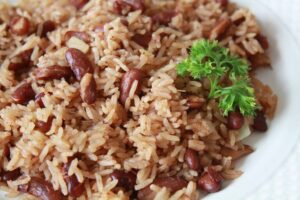
- Spice Your Rice: Add thyme, scallions, and coconut milk to rice for a quick island twist.
- Experiment with Heat: Start with small amounts of hot pepper; the goal is flavor, not just fire.
- Balance: Caribbean cooking is about harmony—heat balanced by sweetness, earthiness balanced by citrus.
Spices Beyond Food
Spices in the Caribbean often move beyond the pot:
- Medicine: Ginger tea for colds, garlic for immunity, cinnamon for digestion.
- Rituals: Certain herbs and spices feature in cultural and spiritual practices.
- Economy: Nutmeg and allspice remain important export crops.
Final Thoughts
The Caribbean kitchen is a universe of flavor, and spices are its stars. They tell the story of resilience, creativity, and community. Stocking your pantry with allspice, thyme, Scotch bonnet, curry powder, nutmeg, and ginger isn’t just about cooking—it’s about carrying centuries of history into every meal.
So next time you season your rice, sprinkle nutmeg into your drink, or crush garlic into your stew, remember: you’re not just cooking food. You’re tasting the Caribbean’s story, one spice at a time.